MongoDB vs MySQL: Beginner's Guide
Beginner's guide comparing MongoDB and MySQL, highlighting their structures, features, use cases, and…
Overview:
MongoDB and MySQL are widely used Database management systems, but they differ significantly in their structure, features, and use cases.
What is MongoDB?
MySQL is a NoSQL database which is quite the opposite of a traditional table-based relational database structure. It is flexible and schema-less, which means it can handle structured and unstructured data.
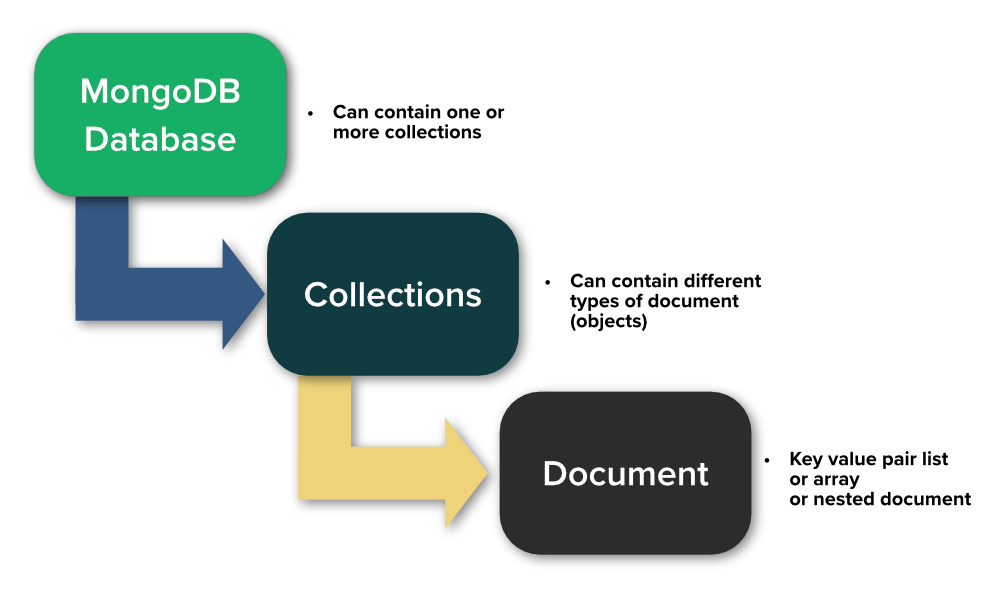
Key Characteristics:
-
Document-Oriented:- Stores Data in JSON-like documents that have nested structures and arrays.
-
Schema-less:- Documents in a collection do not need to have the same structure allowing flexible and dynamic schemas.
-
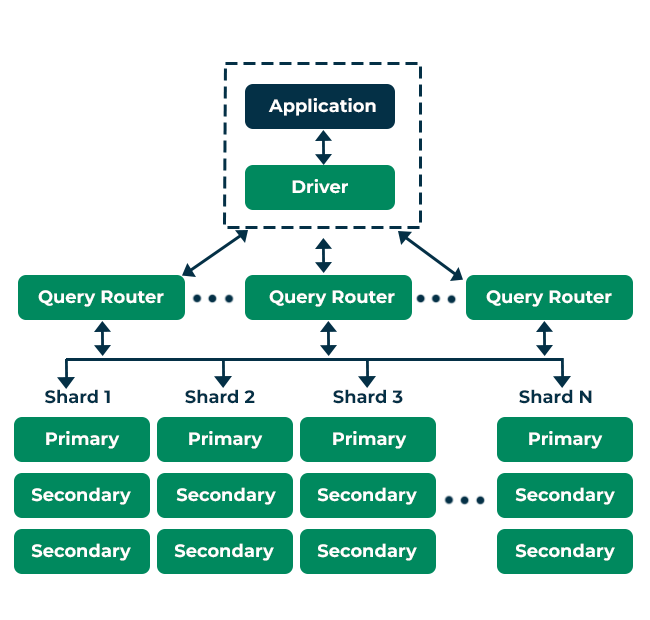
Scalability:- Designed for Horizontal Scaling using sharding, which makes it easier to distribute data across multiple servers
- Query Language: Uses a rich query language that supports filtering and sorting by any field, aggregation, and other advanced operations.
Use Case
Unstructured Data:- Ideal for applications where data structures are not well-defined or can change over time.
Advantages & Disadvantages.
The key advantages of using MongoDB are its Flexibility, Scalability, and Performance which is optimized for fast read and write operations, especially in large-scale environments.
The disadvantage or we can say the weaker part of using MongoDB is its Complex Transactions and its Consistency.
MongoDB Architecture
What is MySQL?
MySQL is a traditional relational database management system (RDBMS) that uses SQL (Structured Query Language). It is traditional schema-based relational data.
Key Characteristics
-
Schema-Based: Stores data in tables with predefined schemas. Each table is related to others through foreign keys.
-
ACID Compliance: Ensures data integrity through atomicity, consistency, isolation, and durability.
-
Scalability:- Designed for Vertical Scaling, involves adding more resources (CPU, RAM, storage) to a single machine to handle more load.
💡Vertical Scaling:-When a database is vertically scaled, the existing machine is upgraded to a more powerful one, capable of handling more transactions and storing more data. -
SQL Query Language: Uses SQL for querying and managing data, providing powerful tools for complex queries and transactions.
Use Case
-
Structured Data: Best for applications with well-defined schemas and relationships.
-
Transactional Systems: Ideal for applications requiring complex transactions and high data integrity.
Reporting: Efficient for running complex queries and generating reports.
Advantages & Disadvantages.
Mysql has advantages in its Data Integrity that ensures data consistency and supports complex transactions, has a large community and a wide range of tools and integrations, and uses a standardized query language (SQL), making it easier to learn and use.
The disadvantage or we can say the weaker part is its scalability and flexibility
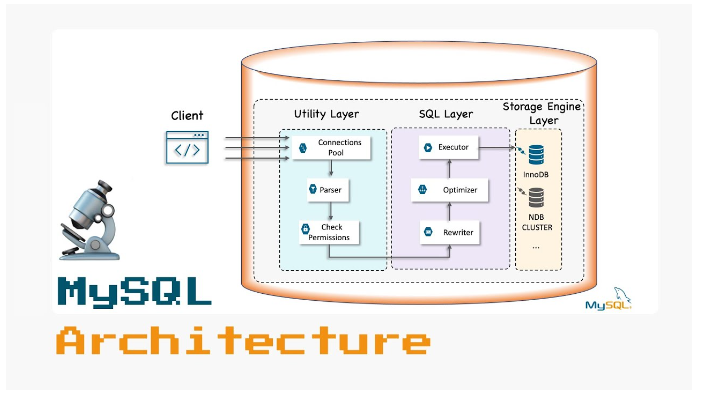
MySQL Architecture
Conclusion
MongoDB is Better to use when there is a need for flexible Schema Requirements means when the data structure is expected to change over time. and high Write Loads for applications needing fast write operations and handling high volumes of unstructured data, rapid Development, and finally horizontal scalability.
MySQL is Better to use when there is a need for complex queries and transactions means applications requiring complex joins, transactions, and data integrity, Structured Data
Originally published on Hashnode